Discover the Best Time to Visit Pokhara Nepal: Plan for Your Next Journey
By Trip Pokhara 2025-11-26
Hello, travelling enthusiast!
Have you visited Pokhara Nepal – the 'Heaven on Earth'?
Wait a second!
No?
Then, how can you call yourself a travel enthusiast if you are missing one of the majestic places on the planet?
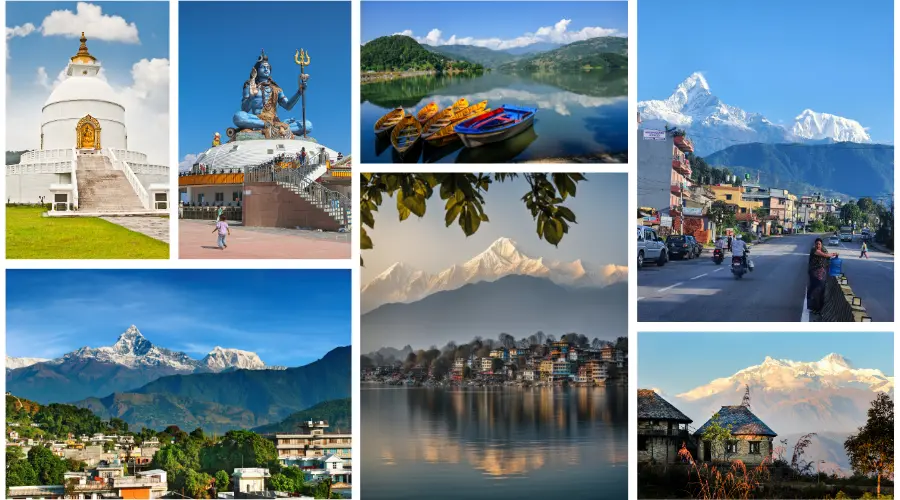
Pokhara Nepal, is a dreamy destination that should be on everyone's bucket list. Nestled in the western region of Nepal, this city is known for its stunning landscapes, vibrant culture, and thrilling adventures.
Whether you're planning to go trekking in the Annapurna range or just want to relax by the serene lakes, knowing the best time to visit Pokhara Nepal can make your trip even more magical.
Pokhara’s Location, Elevation & Climate Overview
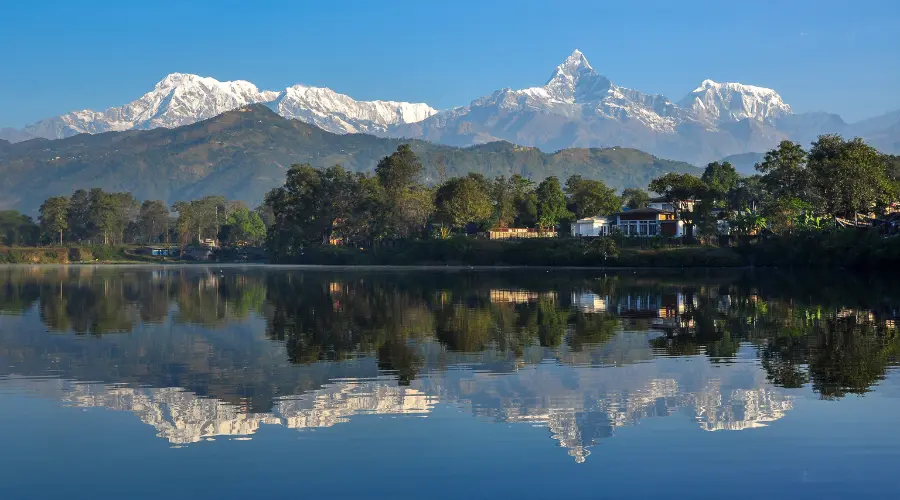
Pokhara's unique location and elevation contribute to its distinct climate, which can significantly impact your travelling experience. Understanding the seasonal changes can help you plan your visit to maximize enjoyment and avoid any potential pitfalls.
Pokhara Nepal is situated at an altitude of about 822 meters (2,700 feet) above sea level. This elevation provides it with a mild and pleasant climate compared to other parts of Nepal. The city is flanked by the majestic Annapurna range, which not only adds to its scenic beauty but also influences its weather patterns, creating microclimates that can vary drastically within short distances.
Understanding Pokhara’s Seasons
The city experiences four main seasons: spring, summer, autumn, and winter, each bringing its own charm and challenges. Understanding these seasons helps travelers choose the best time to visit Pokhara Nepal, taking into account their preferences and planned activities. Each season offers unique opportunities to explore and enjoy the diverse landscapes and cultural experiences Pokhara has to offer.
Weather plays a crucial role in determining the kind of activities you can indulge in during your visit. For instance, clear skies in autumn are perfect for trekking, while the lush landscapes of the monsoon season offer a different kind of beauty. Being prepared for weather conditions can enhance your experience and ensure safety, especially when engaging in outdoor adventures like trekking or paragliding.
-
Spring in Pokhara Nepal (March to May)
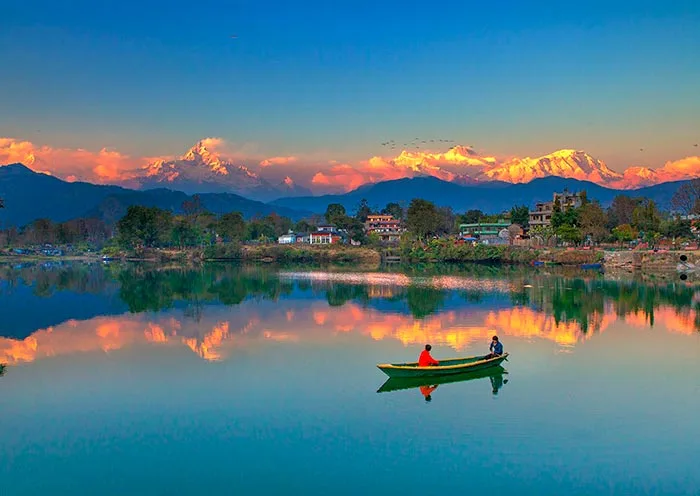
Spring in Pokhara is just delightful. The temperature ranges from 15°C to 30°C (59°F to 86°F). The flowers bloom, especially the rhododendrons, adding splashes of color to the lush green landscapes. It's a great time for outdoor activities and exploring the vibrant culture of Pokhara.
Perfect Temperatures & Blooming Rhododendrons
During spring, the natural beauty of Pokhara is at its peak. The vibrant rhododendrons paint the hillsides in hues of red, pink, and white, creating a picturesque backdrop for photography and leisurely walks. The blooming season is also a great opportunity to explore local botanical gardens and parks that showcase the region's floral diversity.
Best Time To Visit Pokhara Nepal for Outdoor Adventures
Spring's mild temperatures and clear skies make it an ideal season for outdoor adventures. Whether you're interested in paragliding over the city or trekking through the Annapurna region, the weather conditions are generally favorable. This time of year is also popular for mountain biking and exploring the numerous trails that surround Pokhara.
Cultural Highlights During Spring
Spring is not only about natural beauty; it's also a time for cultural celebrations. The Nepali New Year, celebrated in April, is a vibrant festival that offers a glimpse into local traditions and customs. Visitors can partake in the festivities, which often include parades, music, and traditional dances, offering a rich cultural experience.
-
Summer/Monsoon in Pokhara Nepal (June to August)
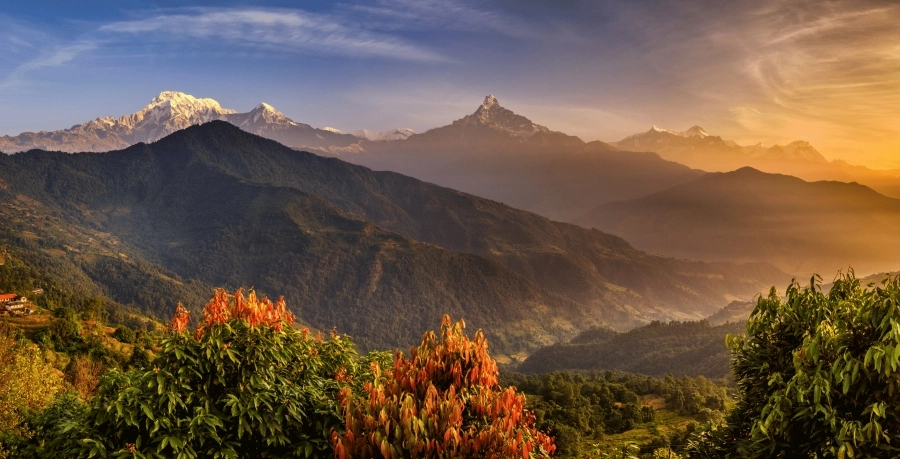
Summer in Pokhara comes with a lot of rain. The monsoon season is in full swing from June to August. While the rain makes the greenery even more vibrant, it can also cause landslides in the region. If you're planning to trek, be prepared for some wet and muddy trails. However, the rain does bring a certain charm to the city, with fewer tourists and lush landscapes.
Lush Greenery & Heavy Rainfall
The monsoon transforms Pokhara into a verdant paradise. The constant rains rejuvenate the landscape, turning it into a lush, green oasis. This season is a photographer's delight, with dramatic skies and vibrant greenery providing stunning backdrops for capturing the essence of the region's natural beauty.
Travel Challenges During Monsoon Season
Traveling during the monsoon requires some preparation and flexibility. Landslides can occur, affecting travel plans and requiring alternative routes or methods of transportation. Trekking trails can become slippery and challenging, so it's essential to have the right gear and to check weather forecasts regularly. Despite these challenges, those who embrace the monsoon are rewarded with fewer crowds and a unique, tranquil experience.
Adventure Experiences Unique to Monsoon
For those who enjoy the rain, monsoon season offers unique adventures. White-water rafting and kayaking on the swollen rivers provide thrilling experiences. The rain-fed rivers and streams are ideal for these activities, attracting adventure enthusiasts who seek a different kind of thrill. Additionally, this season is perfect for exploring the cultural side of Pokhara, with fewer tourists allowing for more personal interactions with locals.
-
Autumn in Pokhara Nepal (September to November)
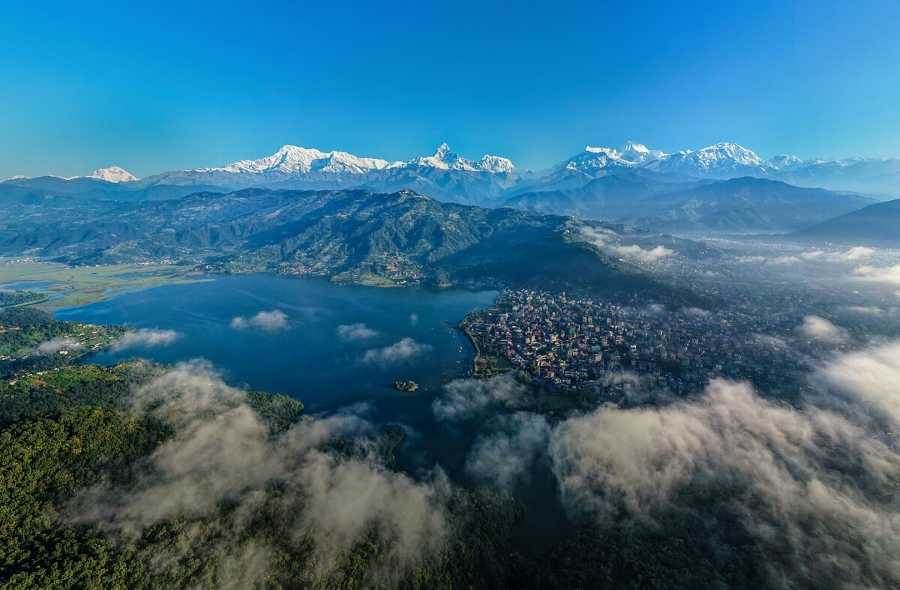
Autumn is the best time to visit Pokhara. The weather is perfect---clear skies, mild temperatures, and stunning views of the Himalayas. This season is ideal for trekking and other outdoor activities. Plus, major festivals like Dashain and Tihar take place during this time, offering a glimpse into the local culture.
Clear Skies & Best Trekking Conditions
Autumn brings the most stable weather conditions, making it the best time for trekking. The clear skies offer unobstructed views of the majestic Himalayan peaks, and the mild temperatures ensure a comfortable trekking experience. Popular trails like the Annapurna Circuit are bustling with trekkers, all eager to experience the breathtaking scenery.
Major Festivals: Dashain & Tihar
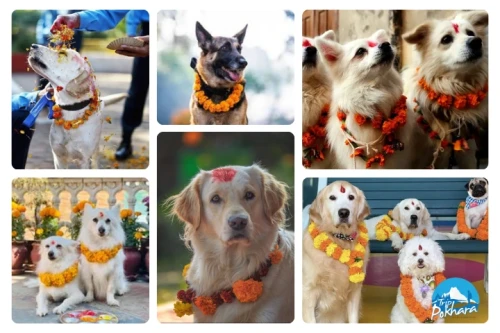
Autumn is a season of festivals in Nepal, with Dashain and Tihar being the most significant. These festivals are a time of joy and celebration, with locals engaging in traditional rituals, music, and dance. Visitors can immerse themselves in these cultural festivities, gaining insights into the rich traditions and customs that define Nepali culture.
Best Time To Visit Pokhara Nepal for Outdoor Adventures
Aside from trekking, autumn is perfect for a variety of outdoor activities. Paragliding, boating, and mountain biking are all popular during this season. The stable weather conditions mean fewer disruptions, allowing travelers to make the most of their time in Pokhara, whether they're seeking adventure or relaxation.
-
Winter in Pokhara Nepal (December to February)
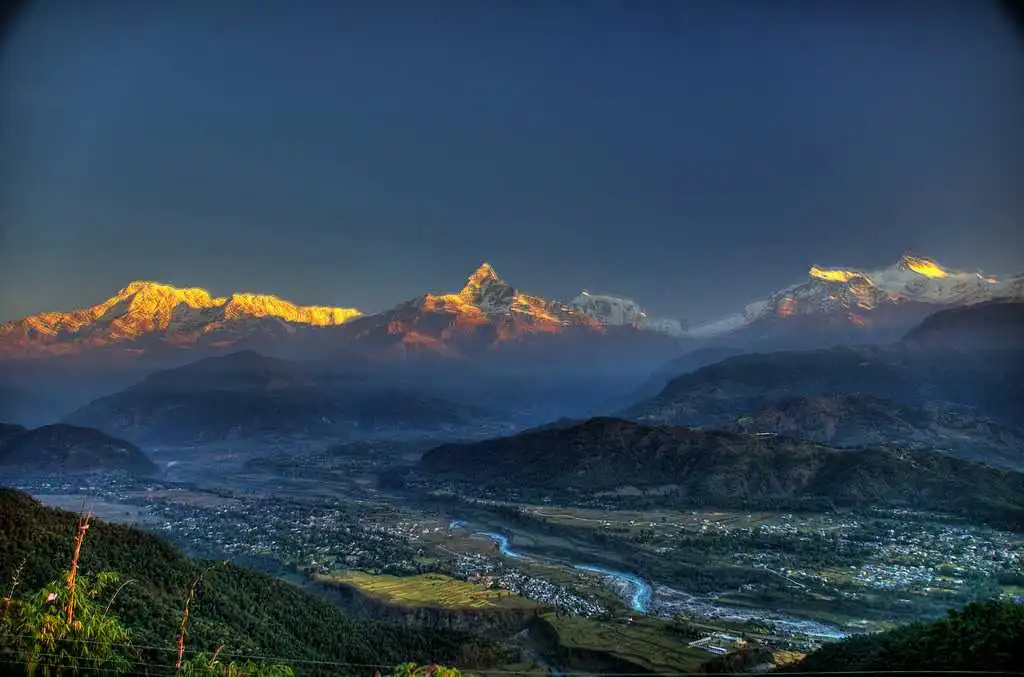
Winter in Pokhara is quite mild. The temperature ranges from 5°C to 20°C (41°F to 68°F). While it's cooler, the skies are clear, offering breathtaking views of the snow-capped mountains. It's a great time for those who enjoy a quieter, less crowded experience.
Cool, Clear & Quiet Season
Winter in Pokhara is marked by crisp, clear days, making it an excellent time for photography and sightseeing. The unobstructed views of the snow-capped Himalayas are a highlight, providing stunning panoramas that are sure to captivate any visitor. The cooler temperatures also mean fewer tourists, offering a more serene experience.
Best Time To Visit Pokhara Nepal for Scenic Views & Photography
For those who prefer solitude, winter is the perfect time to explore Pokhara at a relaxed pace. The city's attractions, such as Phewa Lake and the World Peace Pagoda, can be enjoyed without the usual crowds, allowing for a more personal and peaceful experience. The calm atmosphere is ideal for introspection and enjoying nature's beauty.
Peaceful Travel Experience & Warm Local Hospitality
Despite the cooler temperatures, Pokhara offers warm hospitality during the winter months. Cozy cafes and restaurants provide a welcoming retreat from the chilly weather, serving up delicious local cuisine and hot beverages. Visitors can also enjoy cultural performances and traditional music, adding warmth and vibrancy to the winter experience.
Top Things to Do in Pokhara
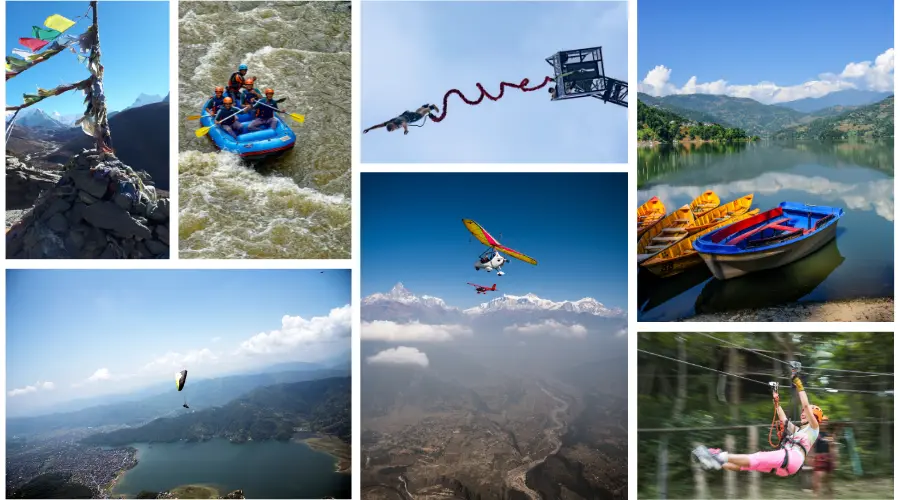
Pokhara is not just about stunning landscapes; it's packed with activities and attractions that cater to all kinds of travelers. Here are some must-do activities:
1. Trekking Adventures from Pokhara Nepal
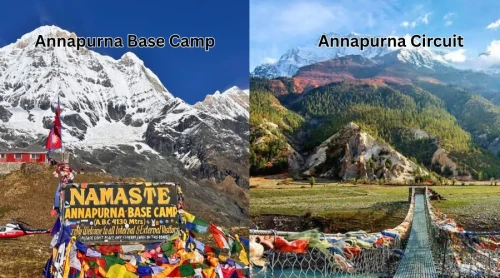
Pokhara is the gateway to some of the most famous trekking routes in Nepal, including the Annapurna Base Camp, Annapurna Circuit, and the Poon Hill trek. Whether you're a seasoned trekker or a newbie, there's a trail for you.
Annapurna Circuit – A Classic Himalayan Experience
The Annapurna Circuit is a trekker's dream, offering diverse landscapes and a chance to experience local culture. Spanning several days, this trek takes you through lush valleys, arid plateaus, and traditional villages. The circuit is renowned for its breathtaking views and challenging terrain, making it a must-do for trekking enthusiasts.
Poon Hill Trek – Short, Scenic & Rewarding
For those with limited time, the Poon Hill trek is one of the excellent short trekking options in Nepal. This shorter trek is known for its stunning sunrise views over the Annapurna and Dhaulagiri ranges. The trek passes through charming villages and rhododendron forests, offering a taste of Nepal's natural and cultural beauty without the commitment of a longer trek.
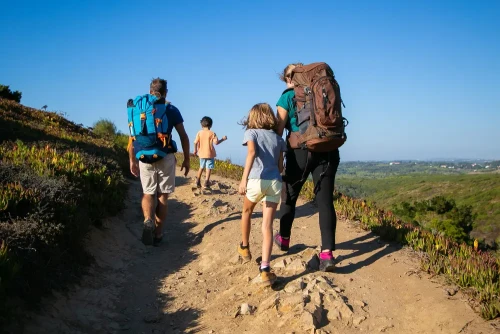
Trekking in Pokhara can be tailored to suit different preferences and abilities. Whether you're interested in a leisurely hike or a challenging expedition, local guides can customize your trek to ensure a memorable experience. These tailored treks allow for flexibility and a personalized approach to exploring the region's stunning landscapes.
2. Adventure Sports in Pokhara Nepal
For thrilling adventures, Pokhara is the place to be. You can try paragliding, zip-lining, or mountain biking. The city is also a hub for white-water rafting and kayaking in the Seti River.
Paragliding Over Phewa Lake
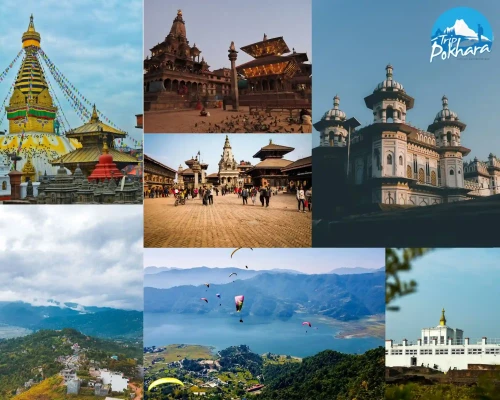
Paragliding in Pokhara is a thrilling experience that offers a bird's-eye view of the city and its surroundings. Soaring over Phewa Lake and the lush hills, paragliders can enjoy the sensation of flight and the stunning landscapes below. The experience is suitable for both beginners and experienced paragliders, with tandem flights available for those new to the sport.
Zip-Lining & Mountain Biking
Pokhara is home to one of the world's longest and steepest zip lines, offering an adrenaline-pumping ride through the lush forests and valleys. The zip-line experience combines speed and excitement with breathtaking views, making it a must-try for adventure seekers. Safety measures and professional guides ensure a thrilling yet safe adventure.
White-Water Rafting & Kayaking on the Seti River
The Seti River provides an ideal setting for white-water rafting and kayaking. The river's rapids offer an exhilarating challenge, attracting adventure enthusiasts from around the world. Whether you're a seasoned rafter or a beginner, the river's varying levels of difficulty ensure an exciting experience for all.
3. Lakes & Leisure Activities
Pokhara is home to beautiful lakes like Phewa Lake, Begnas Lake, and Rupa Lake. You can go boating, fishing, or just take a stroll along the shores.
Boating on Phewa Lake
Phewa Lake is the most popular of Pokhara's lakes, offering a serene setting for boating and relaxation. Visitors can rent boats or take guided tours to explore the lake's calm waters. The lake is also home to the Tal Barahi Temple, a small island temple that adds a touch of spirituality to the boating experience.
Fishing & Strolling Around Lakeside
For those who enjoy fishing, Pokhara's lakes provide ample opportunities to catch local fish species. Fishing trips can be arranged with local guides, who offer insights into the best spots and techniques. Whether you're an experienced angler or trying it for the first time, fishing in Pokhara is a relaxing way to connect with nature.
Exploring Begnas and Rupa Lakes
The shores of Pokhara's lakes are perfect for leisurely strolls and picnics. Walking along the lakefront offers stunning views of the surrounding hills and mountains, providing a peaceful escape from the city's hustle and bustle. The lakeside area is also dotted with cafes and shops, offering a chance to enjoy local cuisine and souvenirs.
4. Cultural Exploration in Pokhara
Dive into the local culture by visiting traditional Nepali villages, temples, and markets. Don't miss the Bindhyabasini Temple, the International Mountain Museum, and the bustling Lakeside Market.
Traditional Villages & Local Life
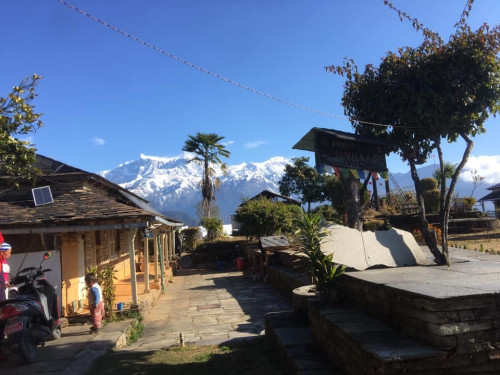
Exploring the traditional villages around Pokhara offers a glimpse into rural Nepali life. Villages like Sarangkot and Dhampus showcase traditional architecture, local crafts, and agricultural practices. Visitors can interact with villagers, learn about their daily lives, and even participate in cultural activities such as traditional cooking or farming.
Sacred Temples & Spiritual Sites
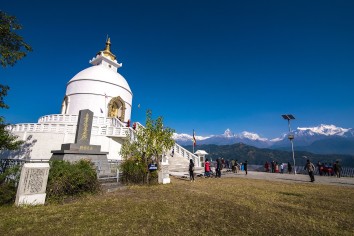
Pokhara is home to several sacred sites, each offering unique insights into Nepali spirituality. The Bindhyabasini Temple, dedicated to the Hindu goddess Durga, is a popular pilgrimage site with stunning views of the Himalayas. The Peace Pagoda, perched on a hilltop, provides a tranquil setting for meditation and reflection, with panoramic views of Pokhara and the surrounding mountains.
Lakeside Market – Shopping, Food & Culture
The bustling Lakeside Market is a vibrant hub of activity, offering everything from handicrafts and souvenirs to local delicacies. Exploring the market is a sensory experience, with the sights, sounds, and scents of local life on full display. Visitors can shop for traditional Nepali crafts, sample local foods, and engage with friendly vendors eager to share their stories.
Where to Stay in Pokhara
There are plenty of accommodation options in Pokhara, ranging from luxury resorts to budget-friendly guesthouses. If you're looking for a lavish stay, check out some of the resorts in Pokhara, Nepal, like The Pavilions Himalayas or Temple Tree Resort & Spa. For budget travelers, there are plenty of cozy guesthouses and hostels that offer a warm and welcoming atmosphere.
Luxury Resorts in Pokhara, Nepal
For those seeking luxury and comfort, Pokhara offers several high-end resorts with stunning views and top-notch amenities. The Pavilions Himalayas and Temple Tree Resort & Spa are renowned for their exceptional service, beautiful settings, and wellness facilities. These resorts provide a perfect retreat for relaxation after a day of exploring.
Mid-Range Hotels with Great Value
Pokhara also boasts a range of mid-range hotels that offer excellent value for money. These hotels provide comfortable accommodations with modern amenities, often located close to major attractions. Many mid-range hotels offer beautiful views of the mountains or lakes, ensuring a pleasant stay without breaking the bank.
Budget Guesthouses & Hostels
For budget travelers, Pokhara has an array of guesthouses and hostels that provide affordable and friendly accommodations. These options offer a chance to connect with fellow travelers and enjoy a cozy atmosphere. Many budget accommodations are family-run, providing personalized service and a glimpse into local hospitality.
How to Reach Pokhara?
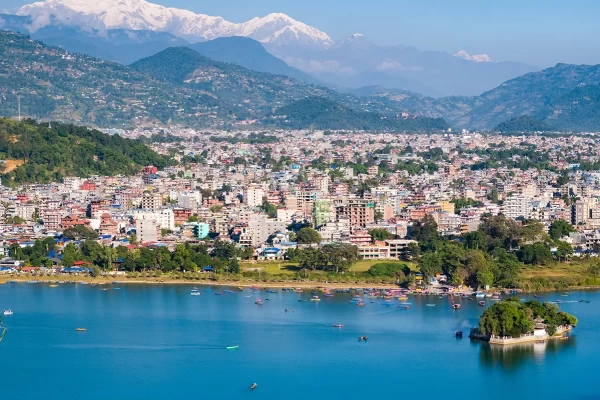
Pokhara is well-connected and easy to reach. The postal code of Pokhara, Nepal, is 33700. You can fly directly to Pokhara from Kathmandu, which is a quick 25-minute flight. Alternatively, you can take a bus or hire a private car for a scenic 6-8 hour drive from Kathmandu to reach Pokhara.
Flying from Kathmandu to Pokhara
Flying to Pokhara is the quickest and most convenient option, with daily flights from Kathmandu. The short 25-minute flight offers stunning aerial views of the Himalayas and the lush landscapes below. Several airlines operate flights to Pokhara, providing flexibility in terms of timing and pricing.
Scenic Drive from Kathmandu
For those who prefer a more scenic route, traveling by road from Kathmandu to Pokhara offers a unique perspective on Nepal's diverse landscapes. The journey from Kathmandu takes approximately 6-8 hours to reach Pokhara, depending on traffic and road conditions. Travelers can choose between bus services or hiring a private car, with the latter offering more comfort and flexibility.
Getting Around Pokhara Easily
Once in Pokhara, getting around is easy with various local transport options. Taxis, rickshaws, and rental bikes are readily available, allowing travelers to explore the city and its surroundings at their own pace. Local buses and microbuses also provide affordable transport to nearby attractions and villages.
Pokhara Tour Packages & Local Guides
If you're not sure where to start, consider booking a tour package. Many tour operators offer customizable packages that include everything from trekking and adventure sports to cultural tours. Hiring a local guide can also enhance your experience, offering insights into Pokhara's history and culture that you might miss otherwise.
Tailored Trekking & Adventure Packages
Tour operators in Pokhara offer a wide range of packages tailored to different interests and budgets. Whether you're interested in trekking, cultural tours, or adventure sports, there's a package to suit your needs. These packages often include accommodation, meals, and guided tours, providing a hassle-free way to experience Pokhara.
Benefits of Hiring a Local Guide
Hiring a local guide can greatly enhance your visit to Pokhara. Guides offer valuable insights into the region's history, culture, and natural beauty, providing a deeper understanding of the places you visit. They can also help navigate language barriers and ensure a safe and enjoyable experience, especially when exploring remote areas or trekking routes.
Planning the Perfect Itinerary
When planning your itinerary, consider your interests and the time available. A well-structured itinerary allows you to make the most of your visit, ensuring you experience the highlights of Pokhara while also having time to relax and soak in the surroundings. Tour operators and guides can assist in creating an itinerary that balances adventure, culture, and relaxation.
Conclusion: When Should You Visit Pokhara?
In a nutshell, the best time to visit Pokhara Nepal depends on what you want to do. If you're into trekking and outdoor adventures, aim for autumn or spring. For a peaceful and scenic experience without the crowds, winter is your best bet. No matter when you visit, Pokhara will captivate you with its natural beauty and warm hospitality.
So, pack your bags, grab your camera, and get ready to explore the best of Pokhara, Nepal. Whether you're seeking adventure or relaxation, this charming city has something for everyone. Happy travels!
Pokhara is more than just a travel destination; it's a place of discovery and inspiration. The city's stunning landscapes, rich culture, and welcoming people create an unforgettable experience that stays with you long after you've returned home. Embrace the adventure, savor the tranquility, and immerse yourself in the magic of Pokhara.
Each visit to Pokhara offers new experiences and memories. Whether it's the thrill of a trek, the serenity of a lake, or a moment of connection with a local, Pokhara leaves a lasting impression. As you explore, take time to reflect on the beauty around you and the unique stories that make this city so special.
As you plan your trip, remember that Pokhara is a place where adventure meets tranquility. Whether you're a thrill-seeker or a peace-lover, Pokhara invites you to explore, experience, and enjoy all it has to offer. Your journey to this Himalayan gem promises to be one of discovery, wonder, and unforgettable memories.
FAQs
Which month is best for Pokhara?
The best months to visit Pokhara are October to November (autumn) and March to May (spring) due to the clear sky and pleasant weather that are ideal for outdoor activities like trekking and paragliding. Autumn provides the best mountain views, while spring brings warm temperatures and blossoming rhododendrons.
How many days is enough for Pokhara?
A typical tourist can explore the main sights in Pokhara in two to three days, while four days or more is recommended for a more relaxing stay or to include additional activities such as hiking.
Is Pokhara more beautiful than Kathmandu?
Pokhara is typically regarded as more beautiful due to its breathtaking natural surroundings, even though Kathmandu is well-known for its historical and cultural significance. While Pokhara's lakes, mountains, and pure air make it a fantastic destination for nature lovers and adventurers, Kathmandu's ancient temples, palaces, and rich cultural legacy are what make it so alluring.
What is the coldest month in Pokhara?
January is the coldest month in Pokhara, when the temperature can drop to 4 oC.
What is Pokhara famous for?
Pokhara is famous for:
-
Natural Beauty (Lakes, Rivers, Mountain views, and Lush forests)
-
Sightseeing
-
Outdoor Adventures (Trekking, Hiking, Paragliding, and Bungee)
-
Nightlife
-
Cultural and Religious Sights
-
Local and International Cuisine
-
Local People
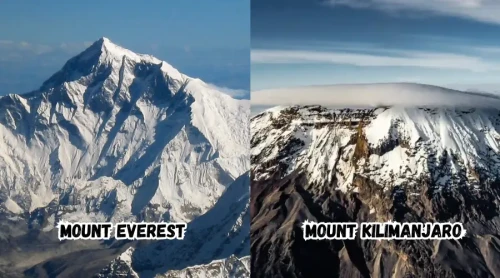
Can you see Everest from Pokhara?
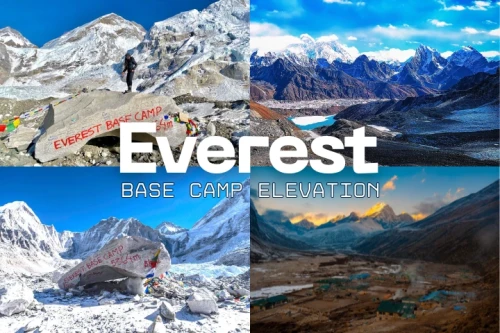
No, you cannot see Everest from Pokhara.
Recent From Blog

2022-04-19

2022-04-20
.jpg)
2022-04-20

2022-04-20

2023-02-03
2023-02-06

2023-02-15

2023-03-07

2023-10-16


2025-07-21


2025-08-14


2025-08-24


2025-08-25


2025-08-27


2025-09-24
.webp)





2025-12-09